When The Bears Come Out
Spring bear opens April 1. The bears do not. They come out when the country tells them to, not when the regulations book says they can. Sunny days, warmer nights, the first grass pushing up through bare dirt on a south slope. That is the trigger.
ODFW biologists describe the den exit as a slow walk out of torpor in late winter and early spring. In a normal year, eastern Oregon bears start moving in early March and are fully on their feet by the first or second week of April. Coastal and low-elevation bears tend to be out earlier than that. High-elevation Cascade bears are still sitting tight under snow when the rifle season opens.
That is the practical read on an April tag versus a late-May tag. Early in the season, the bears that are actually huntable are the low-country ones. By late May, the green has chased its way up the mountain and the bears have gone with it. Hunt the elevation that matches the calendar.
Lean, Hungry, And Low
A bear walks out of the den lean. He has been burning fat all winter and his gut is empty. The first thing he wants is something green, and the first green of the year is on south-facing slopes, in clearcuts, in logging-road cuts, on burn scars where the brush is still low. He will be there before he is anywhere else.
The plate is short. Grasses and sedges. Forbs as they push up. Skunk cabbage along riparian bottoms in the Coast Range. Balsamroot and wild onions in northeast Oregon. Down wood torn open for termites and carpenter ants. Any winter-kill carcass he stumbles into on the way through. That is most of it.
What this means for you is country selection. Rocky outcroppings near open feed. South and southwest aspects. Old logging cuts with grass that is two seasons in. Decommissioned skid roads that nobody drives. A bear is patternable in spring because the food is patternable in spring. There is not much of it and he has to go where it is.
If the country you are glassing is steep, south-facing, and showing new green, you are in the right zip code. If you are sitting under closed canopy in old-growth timber, you are in the wrong one. Spring bears do not feed in the dark.
Clearcuts on the edge of cover. Mid-elevation meadows. Mountain prairies. Riparian openings. That is where he is feeding when he is feeding.
Spring Vs Fall: Why The Hunt Is Different
Fall bear and spring bear are not the same hunt. Fall is hyperphagia. The bear is fat, in cover, and feeding hard on berries, mast, and whatever gut piles got left behind from deer and elk season. He is loading the cellar for winter. He does not move much because he does not have to.
Spring is the opposite. The bear is lean. The food is not in cover, it is in the open. He is not loading anything. He is just covering ground from one patch of grass to the next. He has to travel because the calories are spread thin.
For a glassing hunter, that flips the math. Fall bears feed under canopy where you cannot see them. Spring bears feed on grass slopes where you can. Fall, you are pushing timber. Spring, you are sitting on a rim with binos and watching country open up below you.
Activity window is also tighter in spring than people assume. First hour and last hour of daylight is when the bear is on his feet. Midday he wants shade. If you are glassing at noon and seeing nothing, you are probably not doing it wrong. You are just glassing at the wrong hour.
The Boars Are Moving In Late May
ODFW's southwest district biologist puts it plainly. May is the better month to hunt because bears are moving more in the run-up to the June rut. That is the window where a mature boar is no longer just feeding. He is cruising. He is looking for a sow in estrus and he is covering big country to find her.
Boars come out of the den ahead of sows with cubs. The first two weeks of the season skew heavily male for that reason. Add the breeding push in late May and early June and a mature boar is the most visible animal in the woods. He is on his feet, he is on the move, and he is crossing open slopes to do it. That is the bear you have a real chance to see.
This is also when calling starts to work. Once deer and elk fawning kicks off, a calf or fawn distress sequence pulls bears the same way it pulls coyotes. A bear answering a call is not running. He is drifting in, head low, working the wind. You have time. You do not have many chances.
Color Phases And What Confuses Hunters
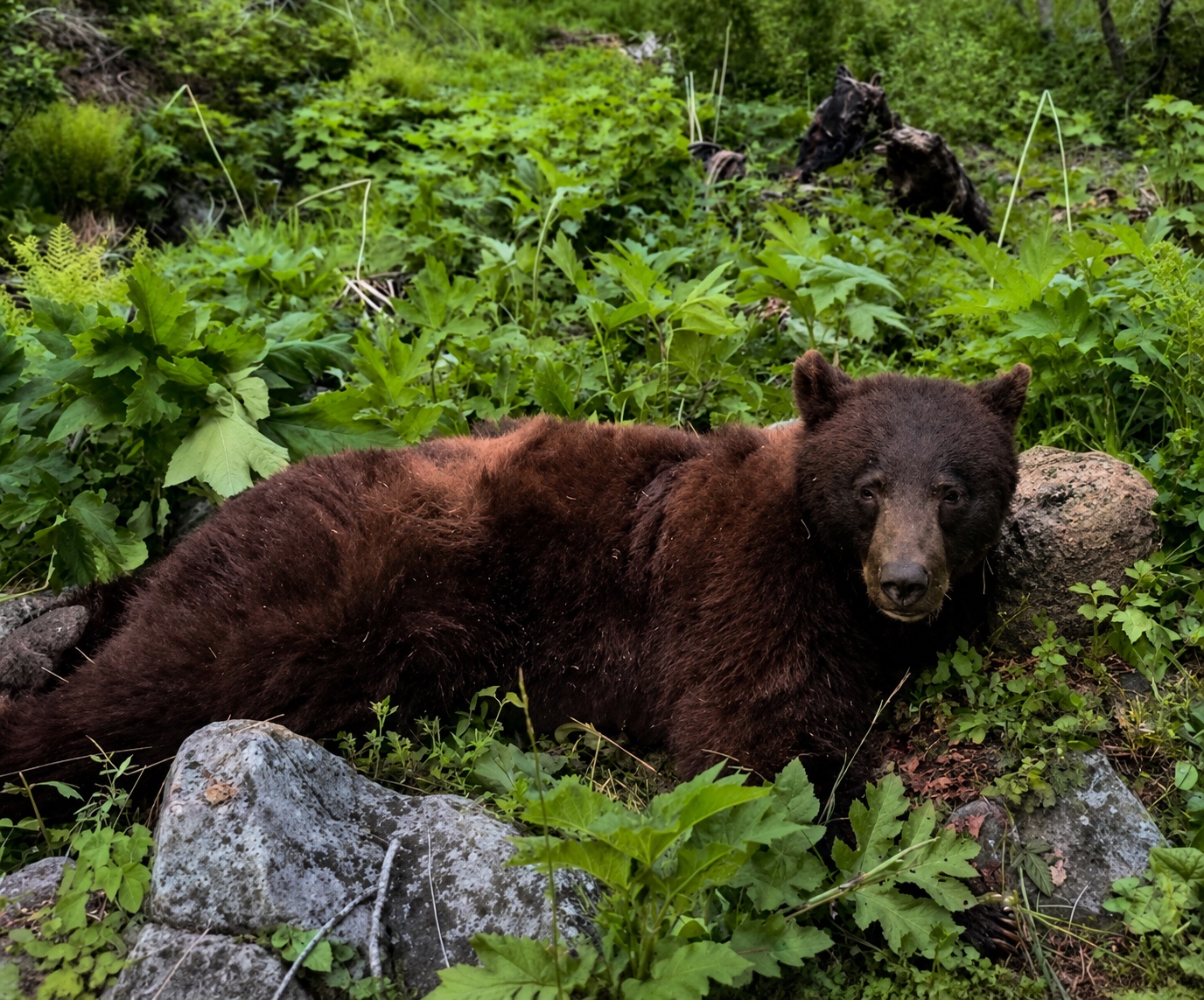
A black bear is not always black. Cinnamon, chocolate, and blonde color phases all show up in Oregon. A brown-coated bear on a green slope in Oregon is almost certainly a color-phase black bear. Oregon has no resident grizzly population, so the only bear you are going to see on a spring tag is a black bear, regardless of coat color.
The coat does not tell you sex. Behavior does. A lone bear cruising a slope in late May is likely a boar. A bear that stays in one drainage and works it methodically, head down, might be a sow. A sow with yearling cubs in tow is off limits, and the cubs are not always next to her. They trail. They hang back in cover. Watch the bear for a long time before you commit.
No cubs. No sows with cubs. Oregon defines a cub as a black bear less than one year old. Taking a cub, or a sow accompanied by a cub, is unlawful.
Watch the animal for ten full minutes before you commit. Longer near timberline. Cubs trail. They do not show first. If you cannot positively confirm the bear is alone, do not pull the trigger.
The Rules, Quick
Bait is illegal here. Hounds are illegal here. That has been the rule since 1994 and it is not changing. ODFW issues spring bear as a controlled hunt: 11,067 tags across 19 hunts for 2026, up 70 from 2025. Season runs April 1 through May 31. Application deadline is February 10. No over-the-counter spring tag. Fall bear is a separate, general-season hunt and you can buy that tag at the counter.
| Hunt | Tags | Window | Note |
|---|---|---|---|
| South Central (731A) | 605 | Apr 1 - May 31 | Largest 2026 allocation bump. |
| Mt. Emily-Walla Walla (754A) | 242 | Apr 1 - May 31 | NE Oregon timber. New 2026 allocation. |
| NW Coast Range | See PDF | Apr 1 - May 31 | Highest bear density. Hardest country. |
| Cascade hunts | See PDF | Apr 1 - May 31 | Snow timing matters. Bears come down late in cold years. |
| Apply by | February 10 through ODFW. | ||
This is a snapshot. The current ODFW Big Game Regulations PDF is the source of truth. Verify hunt numbers and tag counts there before you submit.
For context: in 2023, Oregon hunters reported 780 spring bears across all hunts for an overall success rate near 17 percent. 2024 came in at 844, 2025 at 831. Roughly one in six tag-holders fills the tag. By big-game-tag standards that is low. By honest, bait-free, hound-free standards it is exactly what you would expect.
After The Shot
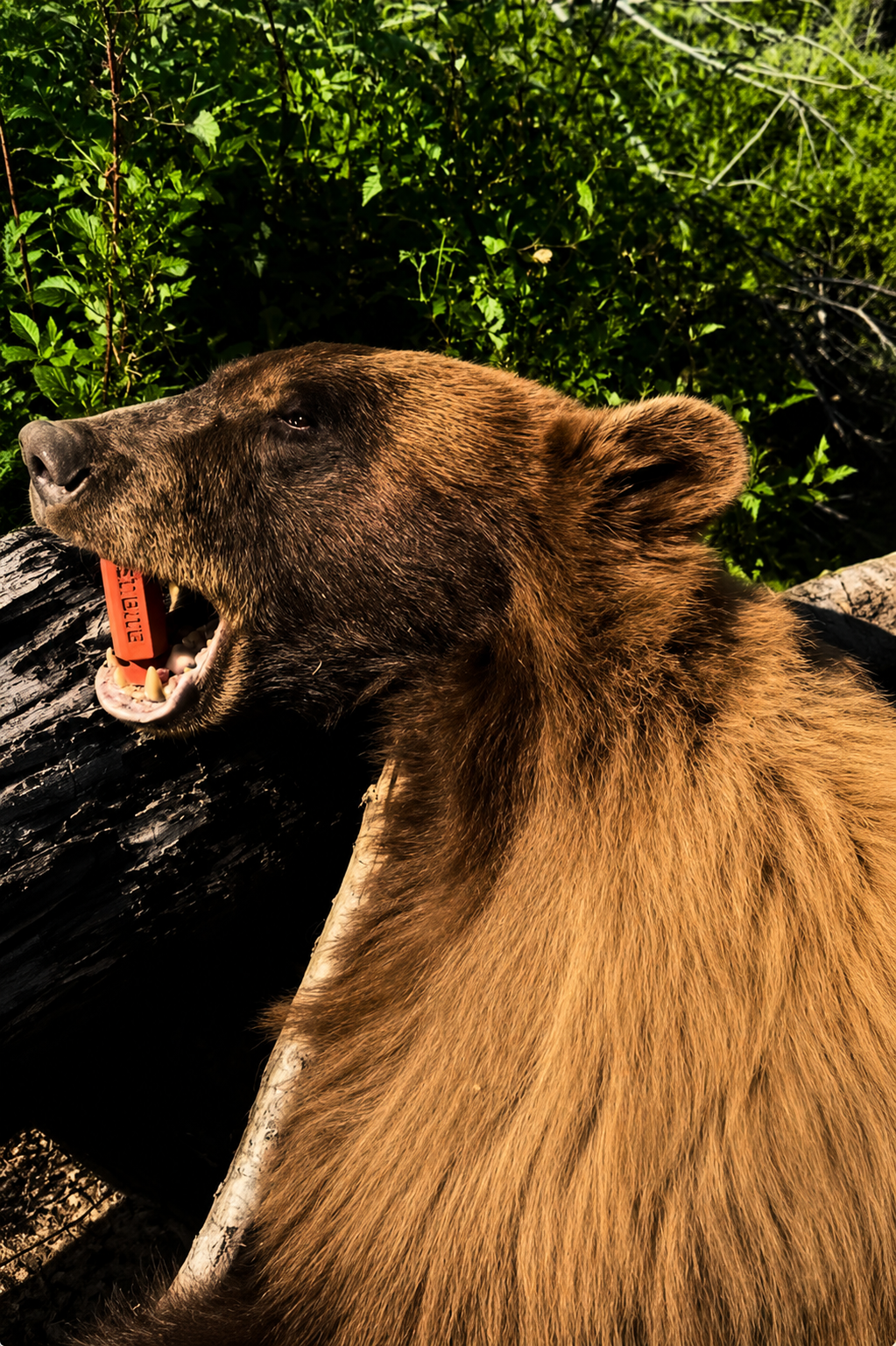
Oregon requires every successful bear hunter to check the bear in at an ODFW office within 10 days of harvest. You bring the skull, thawed, mouth open. An ODFW biologist pulls a small premolar and takes measurements on the canine and the second molar. The premolar goes off for cementum-annuli aging. The age data feeds the state's bear population model, which is what sets next year's tag pool.
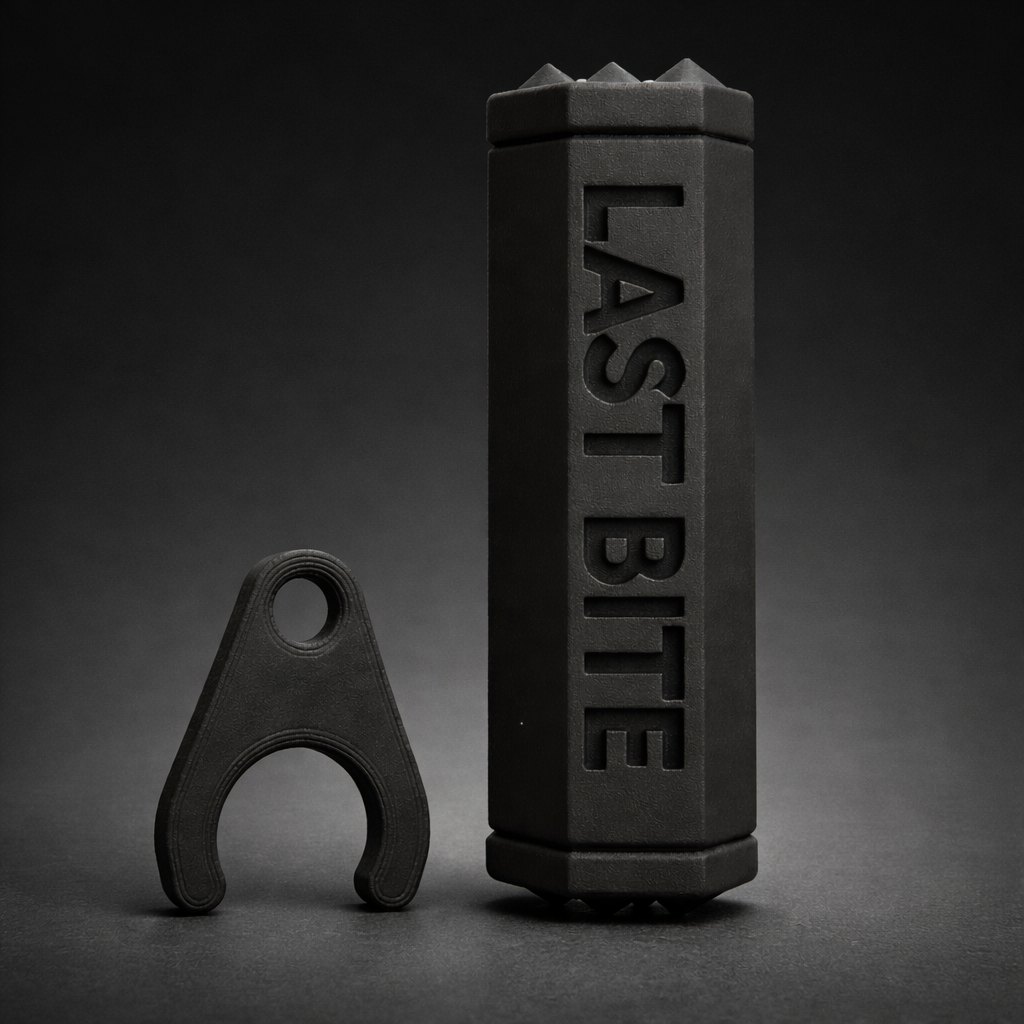
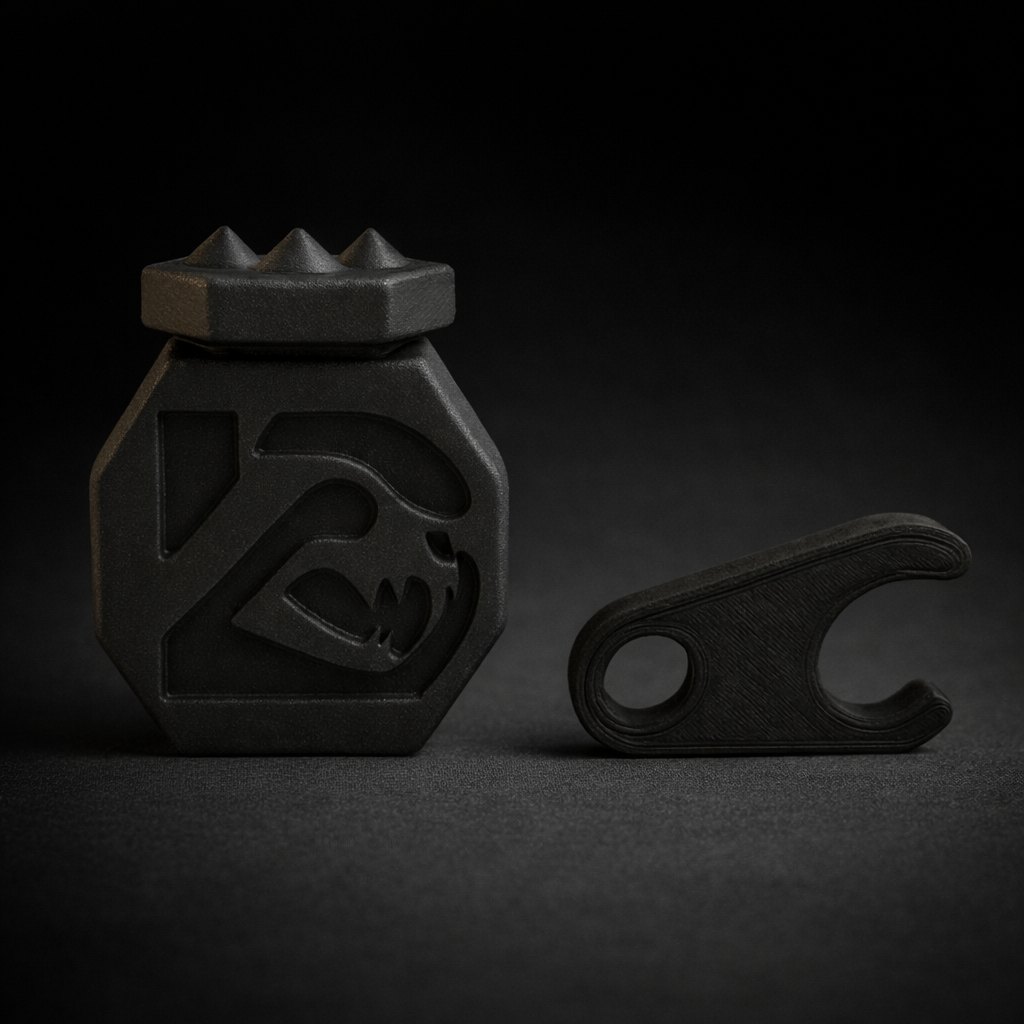
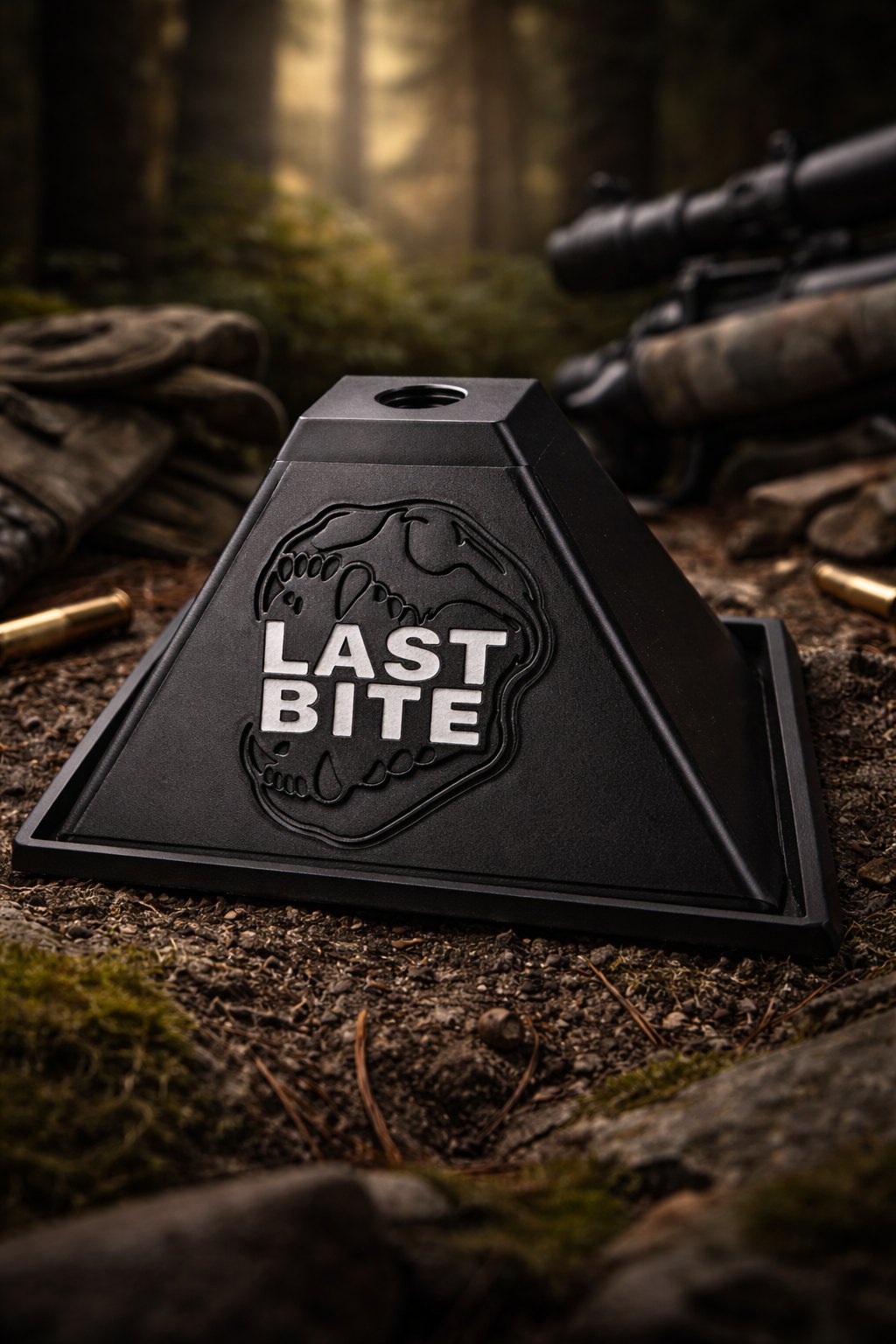
ODFW themselves tell you to prop the mouth open before the skull freezes or dries. A jaw set inside the rigor window with a Last Bite stays open clean from the kill site to the check-in counter. That is the entire workflow.
-
01
Confirm The Bear And Set The Jaw Open.
Approach from behind the head. Confirm the animal is down and still. Set the Last Bite Signature in the jaw inside the rigor window. The mouth stays open for the rest of the workflow.
-
02
Field Dress And Pack Out.
Dress the bear. Pull the fat. Pack the meat. Keep the skull with you. You are bringing the skull to ODFW, not just a hide and a tag.
-
03
Call ODFW And Book The Check-In.
Call your local ODFW office and book a time inside the 10-day window. Weekday business hours only. Do not show up without an appointment.
-
04
Bring The Skull. Thawed. Mouth Open.
The skull has to be thawed for the biologist to take measurements and pull the premolar. A jaw set early stays open clean. The line behind you moves faster too.
Why Spring Bear
Spring bear in Oregon is a hunt the state designed to be hard. No bait stand. No dog box. No shortcut. You glass, you call, you wait, and you eat your tag more often than you fill it. Roughly five out of six hunters drive home with an unpunched tag and a story about the country.
The ones who do connect tend to share a pattern. They sit on a glassing knob from first light until the thermals turn. They are looking at south slopes with new green and they are looking longer than they want to. They are not hiking miles. They are watching one drainage at a time and watching it well. The bear shows up on his schedule, not theirs.